Everything in life is temporary. Even your lingerie. (Or at least it should be).
When I first envisioned Petal + Ash it was to bring beautiful lingerie to market, made from materials and dyes safe for your body and the planet. But I couldn’t bear the thought of making products, no matter how much ‘better,’ that would be destined for a landfill one day.
Before the industrial revolution, lingerie typically came from natural materials like cotton or silk, but as industries were revolutionized through the discovery of oil-derived materials like nylon and polyester, our undergarments changed greatly. In some ways, we cannot deny the benefits that came as a result. Increased fabric mobility and durability have contributed to increased comfort and sometimes increased product life expectancy. Further, these materials are cheaper to produce, as compared to harvesting natural fibers — helping to reduce material costs. Yet, in other ways (many of which are only beginning to be acknowledged) these materials come at the expense of the health of ourselves and our planet.
My evolution from frustrated consumer to industry insider, backed by what is now years of research, a master’s degree, design certificates, and a career pivot into sustainability advisory work, has ultimately guided how I’ve approached product development, including choosing our launch materials.
One of the aspects I’m geeking out about the most is what will happen to our garments when they finally retire from their useful purpose as your lingerie.
October 2024 I took a trip upstate on the Hudson line. Destination: Teatown Nature Preserve, an expansive plot of land featuring hiking trails, meadows, gardens, and lakes, and housing an environmental science research and education center along with a rescued wild animal shelter.
This trip was the result of a call to a former professor of mine, who serves as Teatown’s Senior Science Advisor. My seemingly bizarre request — to compost a pair of panties — was met with excitement and an immediate willingness to plot out what testing could look like. I knew I was in the right place.
On a particularly sunny fall day, I sat on the train with a cut-up panty in my bag. One of the first prototypes for Petal + Ash, made specifically to see if the materials I had chosen were even appropriate for lingerie.
Within the walls of the facility’s science center, we bagged the prototype into six samples and weighed them. Three samples were put into an outdoor compost pile and the other three buried in shaded forest soil. Two different environments, to help consider the wide variations in home composting scenarios.
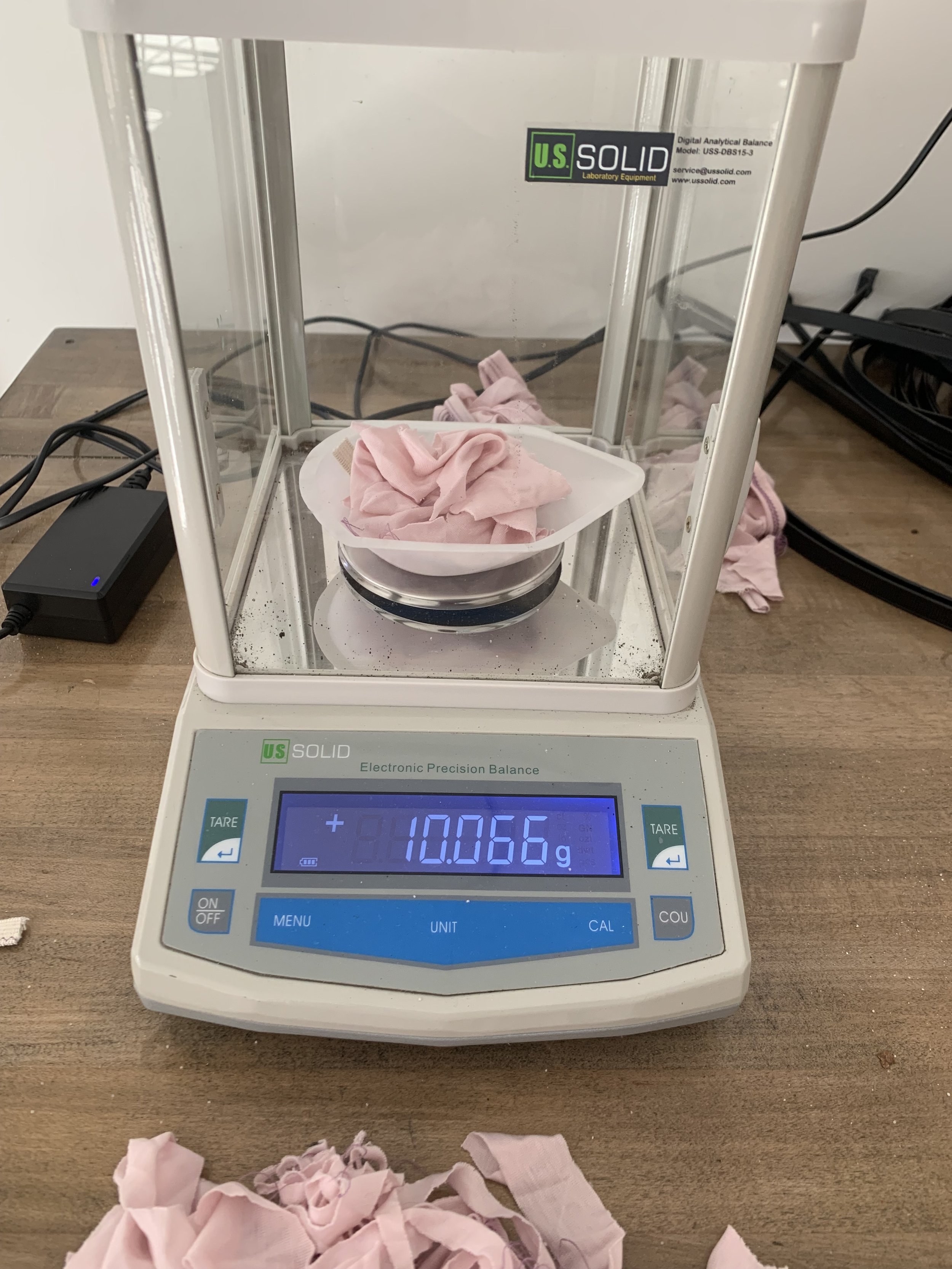
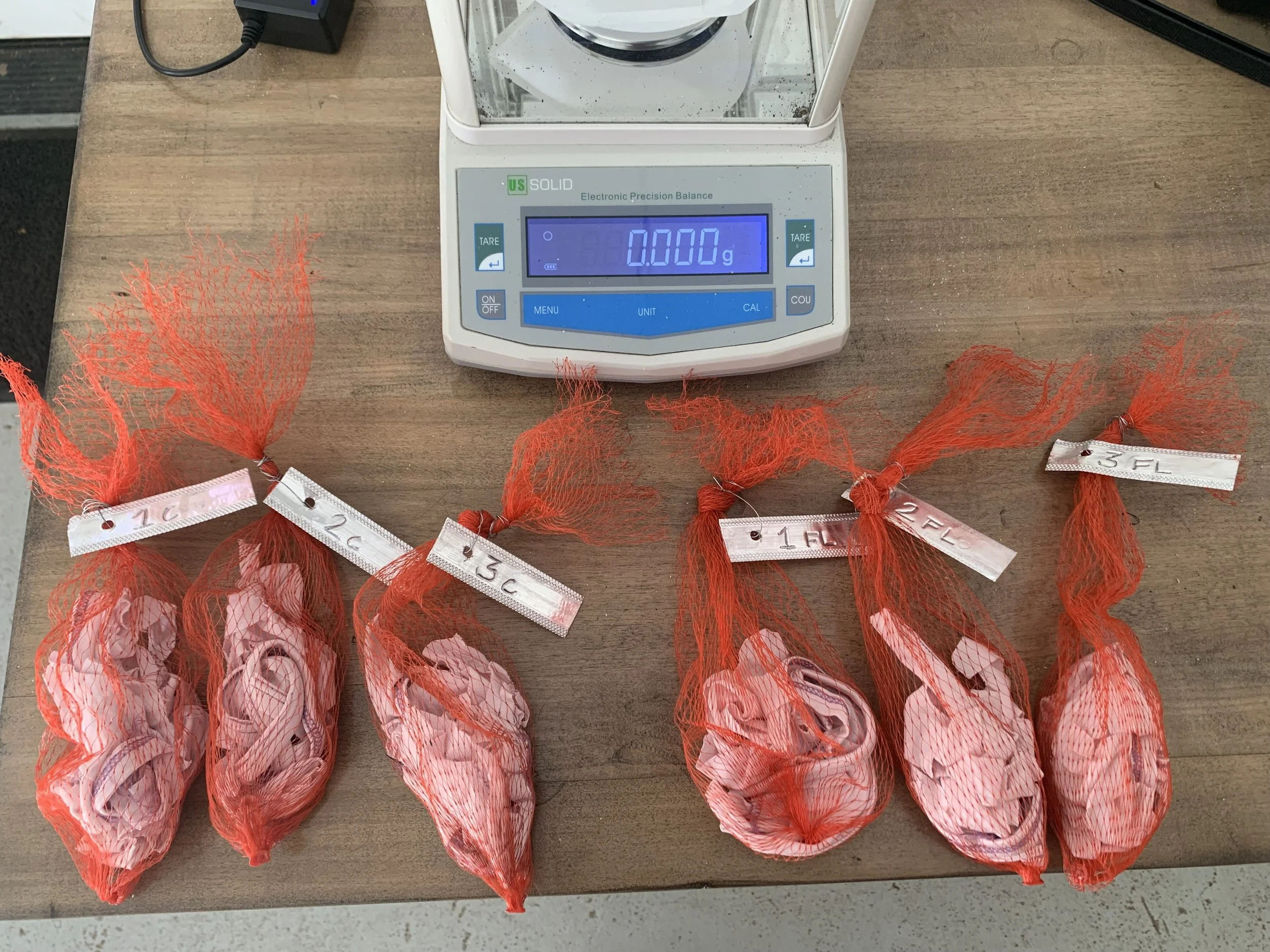
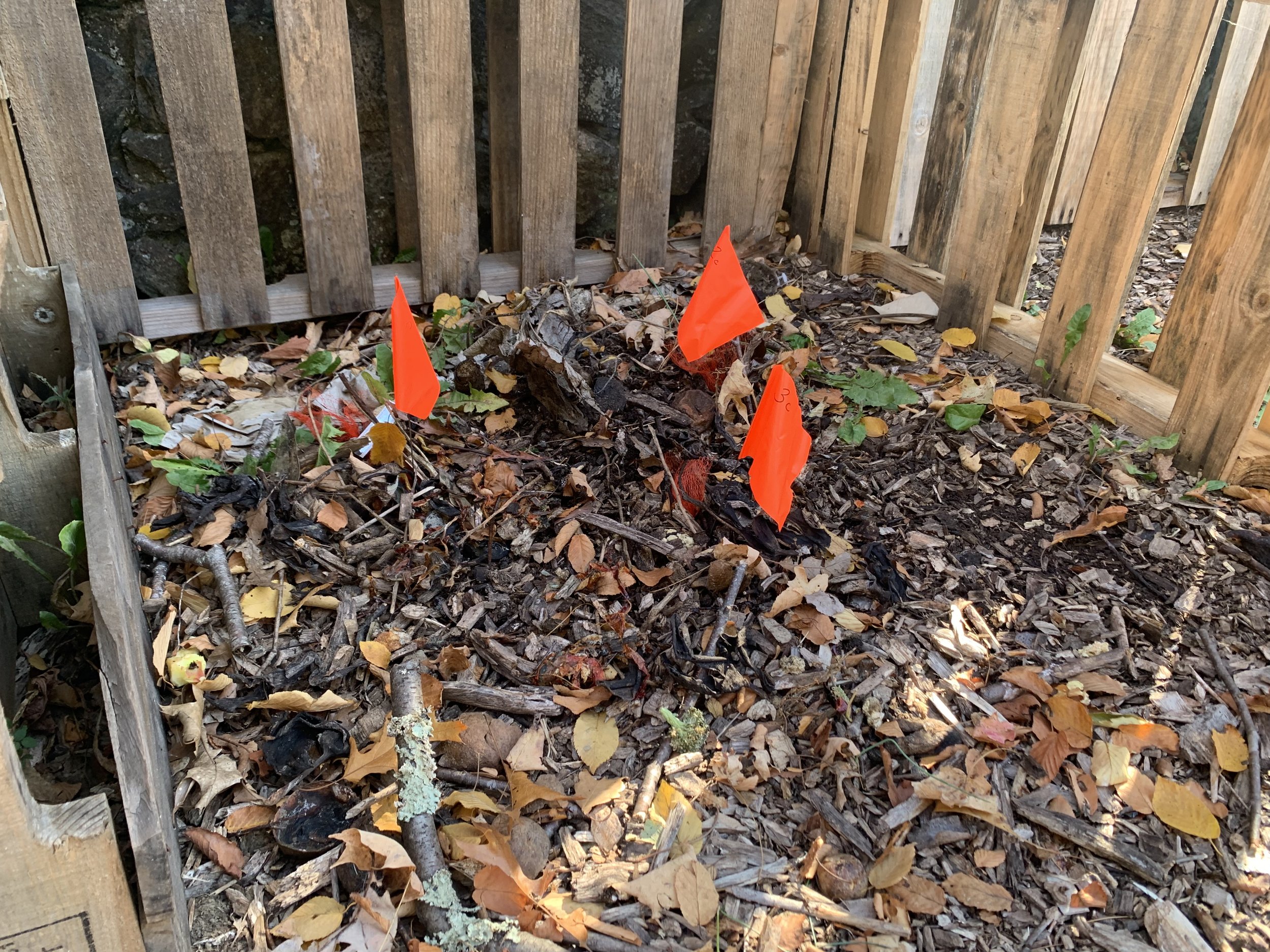

Not long after burial, a winter freeze came along — kicking off a long, cold winter, and delaying progress by several months. As the ground began to thaw, over the next many months our samples were pulled, dried, and re-weighed to measure material mass degradation.
Since starting this pilot I’ve gotten a lot of questions about compostable garments, including “will the garment dissolve on my body?” No! Absolutely not. Before I dive into that further, let’s start with what composting actually is.
The Ellen MacArthur Foundation defines ‘compostable’ as “able to be broken down into carbon dioxide, water, and biomass within a specific time-frame under specific conditions, and ‘biodegradable’ as able to be broken down into carbon dioxide, water, and biomass by the natural action of microorganisms over an unspecified length of time and in undefined conditions.
When it comes to textiles, any natural fiber (i.e., cotton, linen, silk) and even some man-made cellulosics (i.e., Lenzing Lyocell, TENCEL, SEACELL) can be inherently compostable or biodegradable. It’s often through processing, dyes, and finishers that they are rendered no longer suitable to return to nature.
Synthetic fibers like nylon and polyester are not biodegradable. While there are some cool, new bio-based synthetic fibers on the market made from corn or sugar feedstock, at present they only reduce the reliance on oil-based inputs (to say 70/30). So they are definitely better, but they still cannot return to the earth.
There are composting and biodegradability standards, but textiles fall outside most scopes. Australia, however, has produced a certification, inclusive of textile fibers, with both industrial composting (a controlled setting) and home composting within its scope.
The individual materials I was looking to use all came with their own proven compostability, be it a certification scheme or internal test, but I wanted to prove for myself that we could put them together, and then — as a whole unit — ask them to return back to nature.
In our pilot, the compost samples degraded much faster than the forest samples — which makes sense. There’s a lot more microbial action in a hot compost pile than shaded forest soil. But both locations showed meaningful loss. So much so we decided to pull the samples before they completely disappeared. Mainly for proof that the samples existed in the first place.
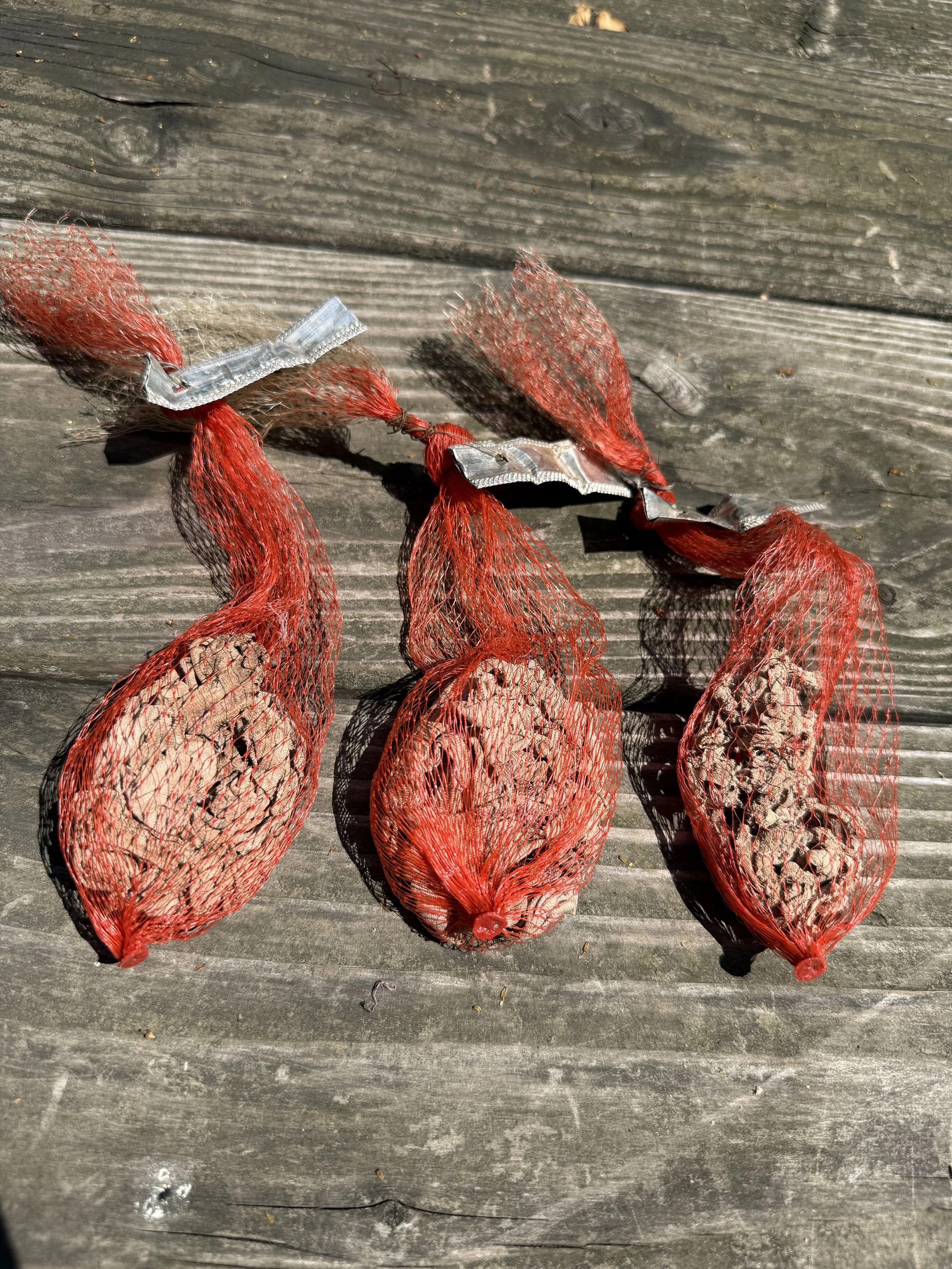
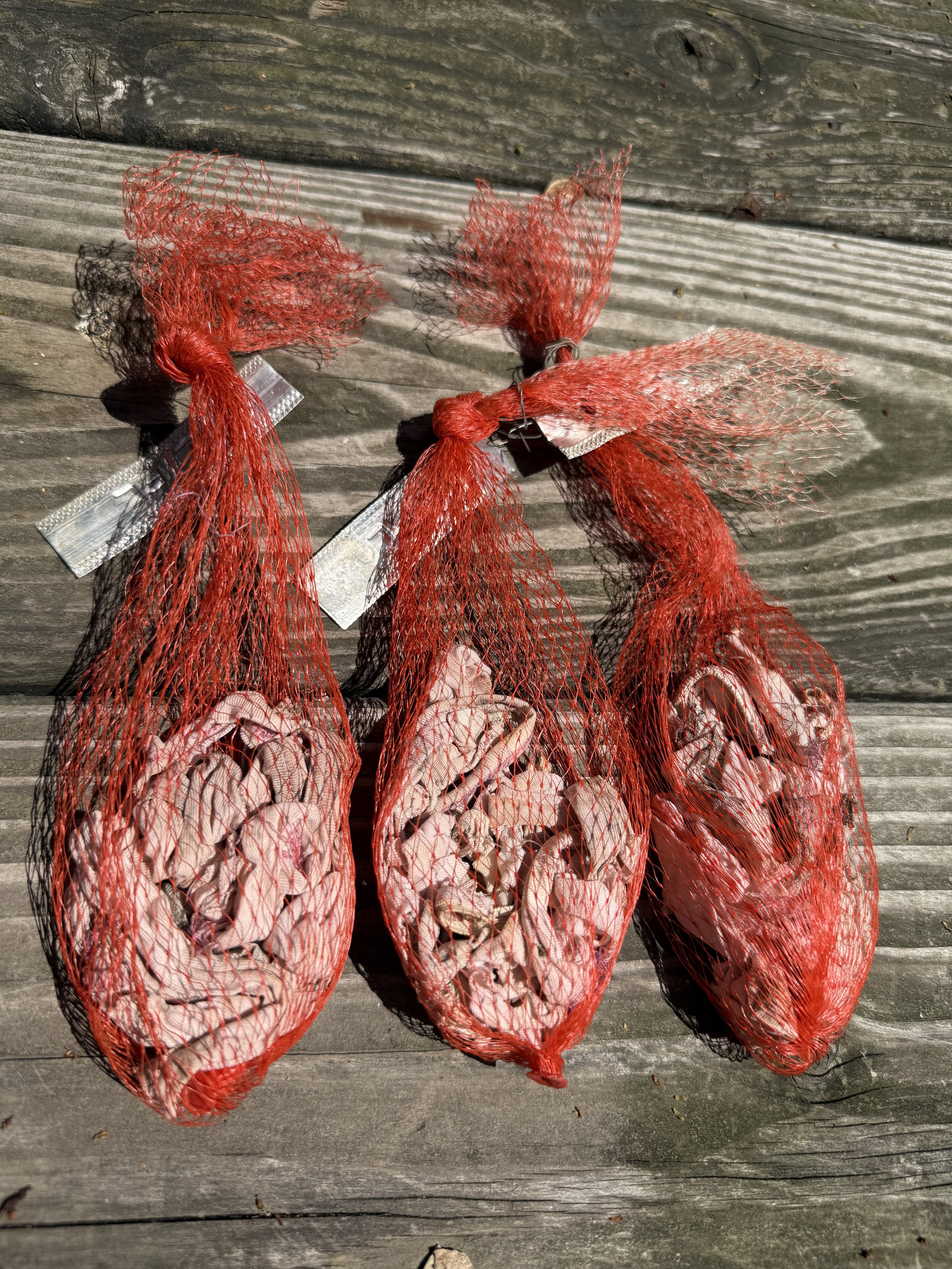
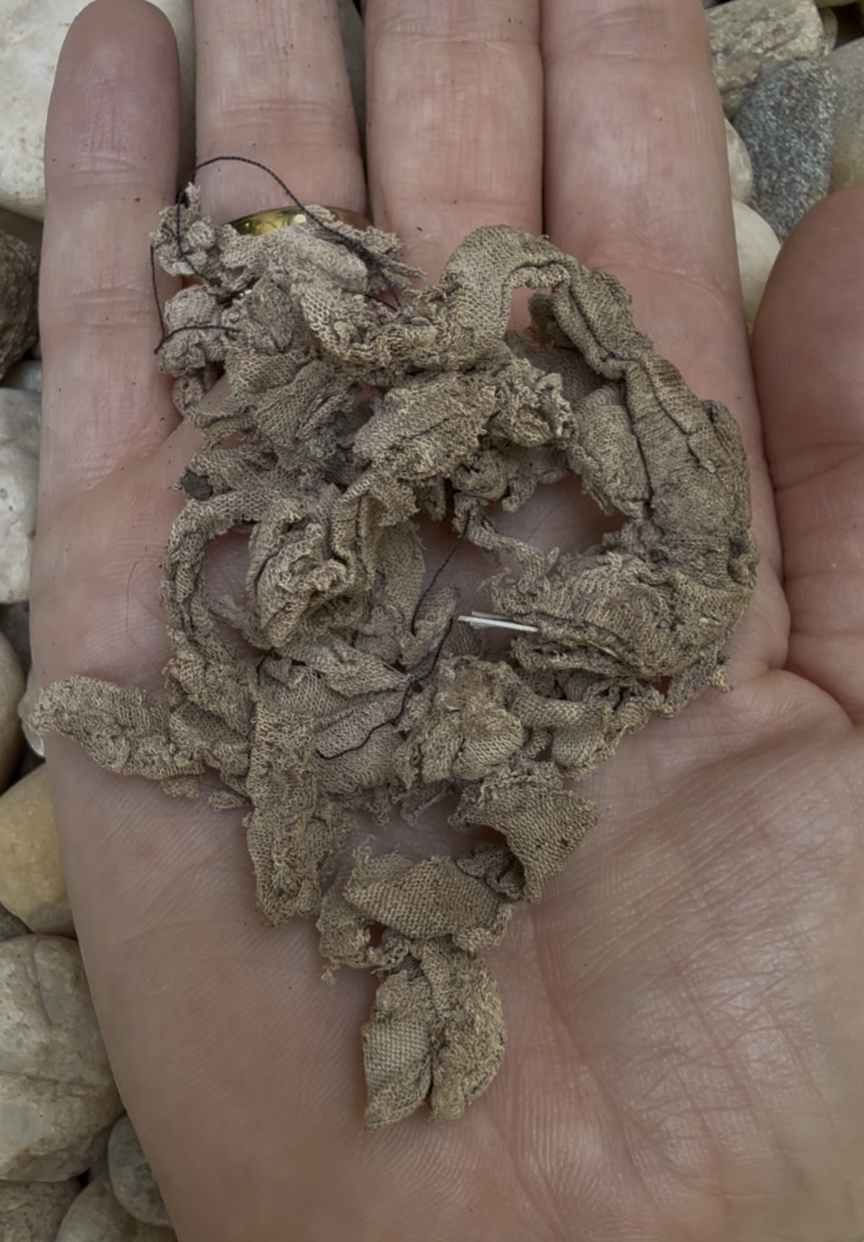
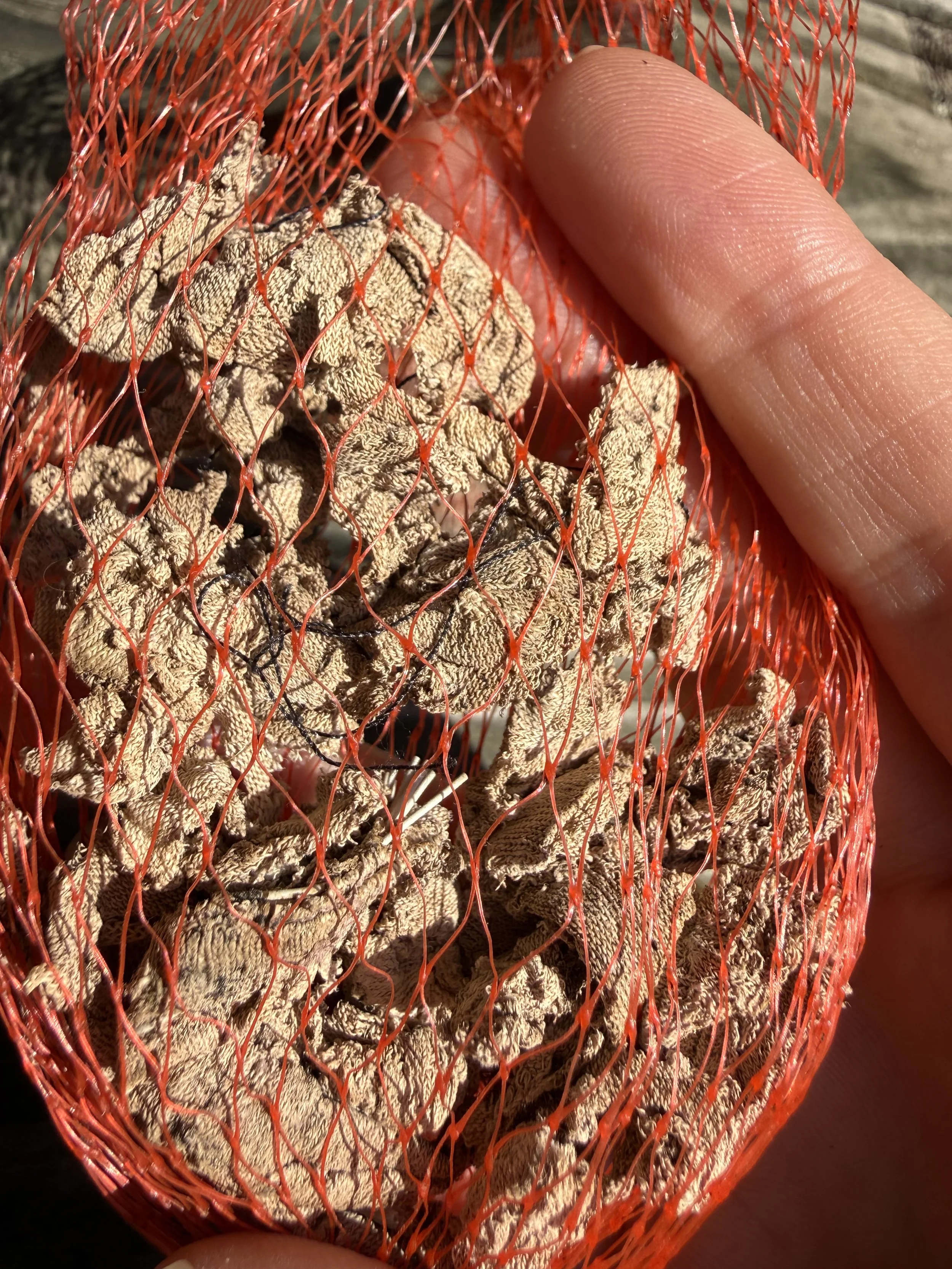
This initial pilot is a successful proof of concept. Our pieces will break down in nature. But I still have some questions. I want to better understand how long they’ll take (when not buried right before a freeze!), and the quality of the compost or soil that will contain our pieces. To do this, we’ll have to seek lab testing in a controlled environment. I’m excited to pursue this next step, though it’ll require a grant as compost testing comes at a significant cost. My dream is to certify our collection.
Mid-pilot, I received a text from my former professor with the below photo. A graph, showing meaningful material mass loss in all six samples. This singular image validated years of research, a master's degree, a career pivot, and the cut-up panty on a train to Teatown. I must have stared at the graph all day, with the biggest smile on my face.
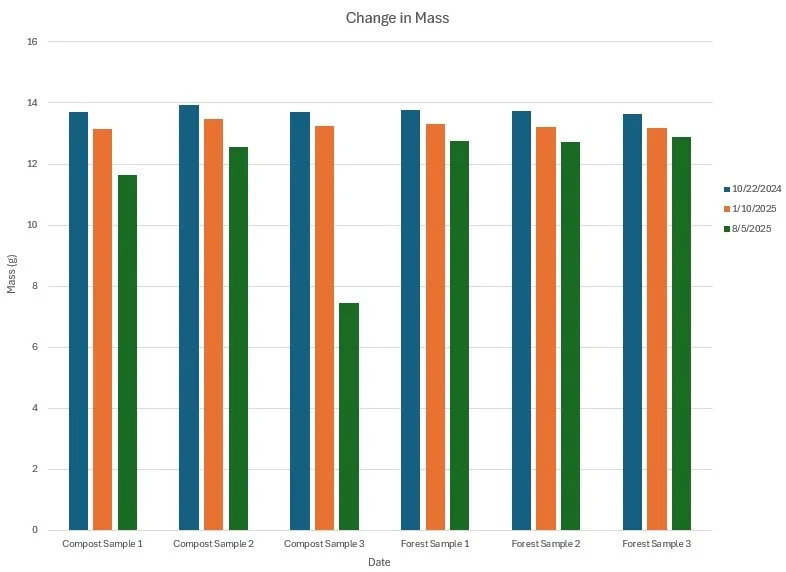
Petal + Ash Compost Mid-Trial Change in Mass
Here was the proof that my concept was possible.
Then I thought about every pair of underwear I'd ever thrown away. Before I knew a better way. And every woman who also had. Where all of it went.
This might seem like a frivolous component of development, and if so, I’ll stop you right there. We have a waste problem. There is no “away” when we throw things away. And while there are some great donation options for new or gently used undergarments, along with some downcycling options (shredding old underwear into building insulation and moving pads), most undergarments will head to landfill. On average, one garbage truck of textiles is landfilled or incinerated every second (Ellen MacArthur Foundation), with landfills being the third largest source of methane emissions in the United States (EPA).
Our undergarments should not contribute to this issue. Full stop.
Just imagine what could be possible if this could become the industry standard, not the exception to the rule. Designing for end-of-life from the very first material decision is the only way we get there.
So to recap, compostable doesn't mean fragile. Composting only happens under the right microbial environment found in food or yard scraps and soil, not in your drawer or on your skin.
Worn and cared for properly, your Petal + Ash pieces are built to last. Only when a garment finally wears out, should it return to the earth.
If this excites you, I hope you’ll follow along with me to launch.
A note on composting our pieces:
Hardware and the bra hook & eye will need to be cut off before composting. The rest of the garments can be home composted or buried in soil. Decomposition rates will vary based on your climate. Most industrial composting does not currently accept textiles. We hope this will change in the future.